



The Short Answer
Full-grain leather is the highest quality grade — it uses the entire hide surface and lasts 20-30+ years. "Genuine leather," despite the reassuring name, is actually the lowest usable grade. Understanding the difference can save you hundreds of dollars and years of frustration.
Leather Grades Compared
| Leather Grade | What It Is | Durability | Appearance Over Time | Price Range | Common Uses |
|---|---|---|---|---|---|
| Full-Grain | Entire hide surface, unaltered. Natural grain intact with all original markings. | Highest. Lasts 20–30+ years. | Develops rich patina. Darkens and softens. Scratches blend in over time. | $$$–$$$$ | Premium luggage, heritage boots, high-end furniture, watch straps |
| Top-Grain | Outer surface sanded or buffed to remove imperfections, then refinished. | High. Lasts 10–15 years. | More uniform initially. Less patina development. May show wear at stress points. | $$–$$$ | Mid-range handbags, office furniture, wallets, belts |
| Genuine Leather | Lower layers of the hide after top grain is split off. Surface is corrected and coated. | Low to moderate. 3–5 years with regular use. | Coating peels and cracks. Does not develop patina. Looks worse with age. | $–$$ | Fast-fashion accessories, budget belts, book covers |
| Bonded Leather | Leather scraps ground up and glued to a fabric backing. Technically contains leather. | Very low. 1–3 years. | Flakes, peels, and disintegrates. Cannot be repaired. | $ | Cheap furniture, low-end accessories. Avoid for anything you want to keep. |
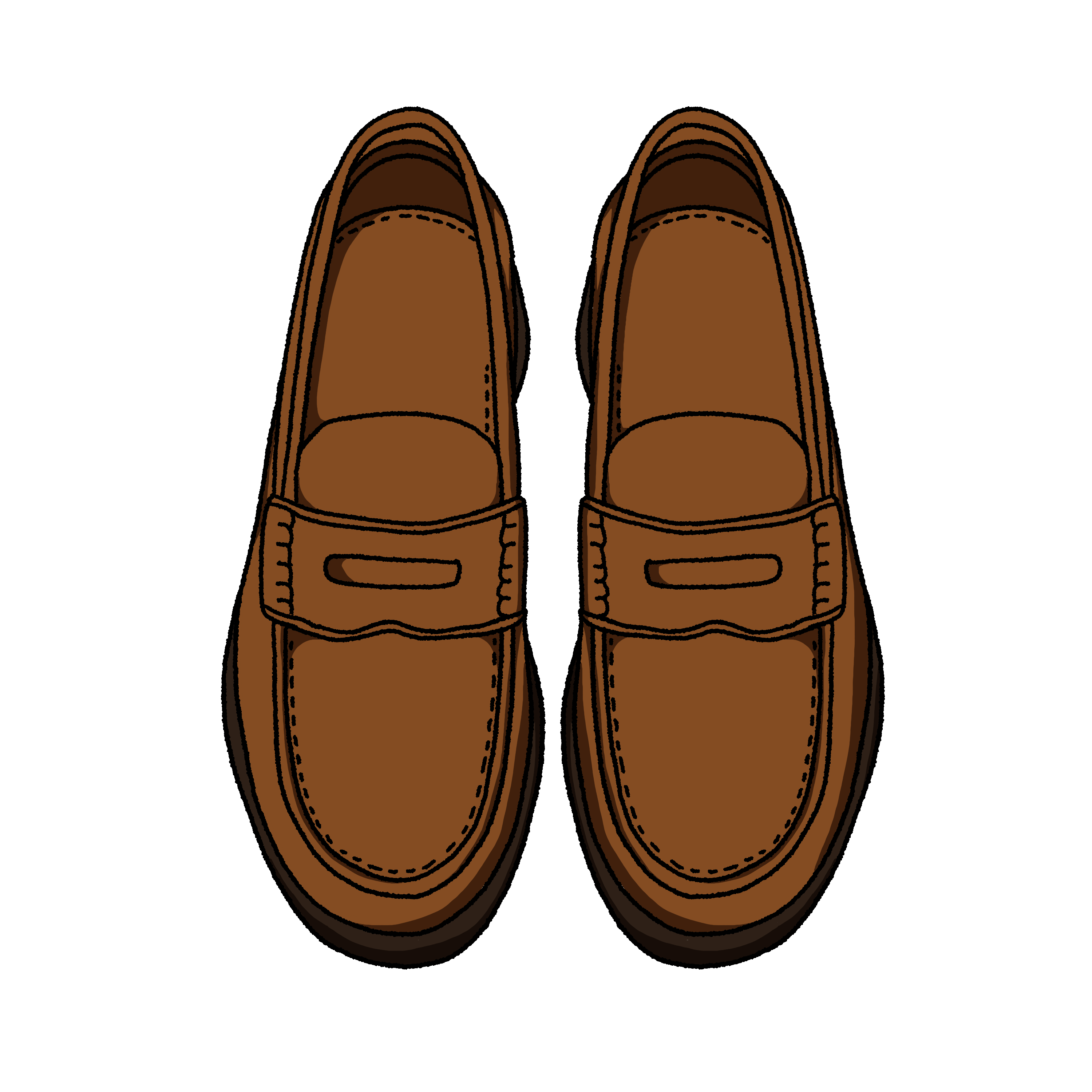
How to Tell What You're Getting
Brands are not required to specify leather grade on product labels. The term "genuine leather" is legally meaningless as a quality indicator — it simply confirms the material contains real animal hide. Here is how to evaluate what you are actually buying:
Look at the Surface
Full-grain leather has visible pores, slight variations in color, and occasional natural markings like healed scratches or insect bites. If the surface looks perfectly uniform with a repeating pattern, it has been sanded and embossed — that is top-grain or corrected grain, not full-grain.
Feel the Texture
Full-grain feels firm and slightly waxy when new. It has a natural resistance when you press it. Genuine and bonded leather feel thin, plasticky, or papery. Top-grain sits in between — smooth but with less depth than full-grain.
Smell It
Full-grain leather has a deep, rich, unmistakable scent. Bonded leather smells like chemicals. Genuine leather may smell faintly of leather but is often overpowered by the coating applied to its surface.
Check the Edge
On an unfinished edge, full-grain leather shows dense, tightly packed fibers. Genuine leather shows looser, more fibrous layers. Bonded leather shows a crumbly, compressed texture — because that is exactly what it is.
Why Full-Grain Develops Patina (And Why That's the Point)
Patina is the gradual darkening, softening, and mellowing of leather over time. It happens because the natural oils from your hands, exposure to sunlight, and general wear slowly change the color and texture of the hide's surface. This can only happen with full-grain leather, because the original surface is intact — there is no artificial coating blocking the process.
Top-grain leather develops some patina, but it is muted because the surface has been sanded and refinished. Genuine leather develops no patina at all. Its coated surface simply deteriorates — peeling, cracking, and flaking instead of aging gracefully.
Full-grain leather looks better at year five than it did at year one — it becomes a more beautiful object over time.
Lower grades look worse with age. The same bag, in the same use pattern, will end up peeling, cracking, and heading to a landfill.
That is the fundamental difference — and that is what you are paying for.
What About Leather for Travel Bags?
Leather luggage involves a real tradeoff: weight versus durability. Full-grain leather is heavier than nylon, polyester, or even top-grain leather. A full-grain leather carry-on duffle typically weighs 4 to 6 pounds empty, compared to 2 to 3 pounds for a nylon equivalent.
That weight penalty is worth it for bags you use frequently. A full-grain leather weekender or carry-on duffle that you use 30 to 50 times per year will last decades and look better each year. Divide the cost by years of use, and it is cheaper per trip than replacing a $150 nylon bag every three years. (We break down the full cost-per-use math in what makes a bag worth $500.)
For bags you use once or twice a year — a ski trip duffle, a camping pack — the weight and cost premium of full-grain leather is harder to justify. Use the right material for the right purpose.
The Honest Truth About Break-In
Full-grain leather is stiff when new. There is no way around this. The zippers on a new full-grain leather bag will feel tight. The flaps will resist folding. The handles will feel rigid in your hand. This is not a defect — it is the nature of thick, high-quality leather that has not yet been broken in.
Expect a break-in period of two to four weeks of regular use. After that, the leather softens, the zippers loosen, and the bag starts to mold to your packing habits. Think of it like a new pair of quality leather shoes — the first few wears are firm, then they become the most comfortable pair you own. For the complete maintenance routine, see our guide on how to care for leather luggage.
What to Avoid
Be skeptical of any brand that uses the phrase "genuine leather" prominently in marketing without specifying the grade. If a product page says "genuine leather" but never mentions "full-grain" or "top-grain," assume it is corrected or split leather — the lowest usable grades. Premium brands that use full-grain leather always say so explicitly, because it is their competitive advantage.
Also watch out for "vegan leather" and "PU leather" in the luxury price range. These are plastic-coated fabrics. They have legitimate uses at accessible price points, but if you are paying $300 or more for a bag, it should be real leather — and the grade should be clearly stated.
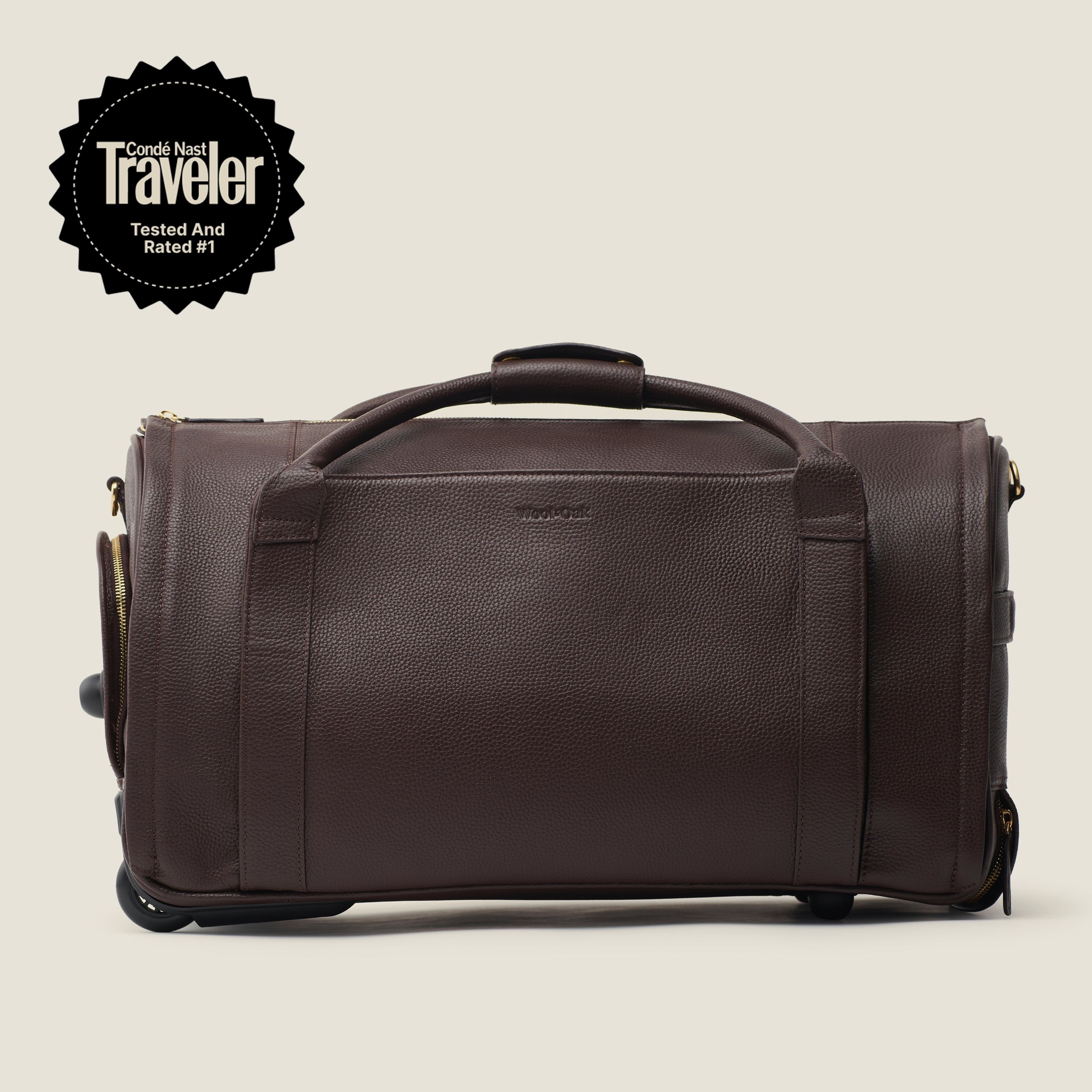
Nova Large
Full-grain Italian leather carry-on with built-in garment compartment. Develops a rich patina with every trip.
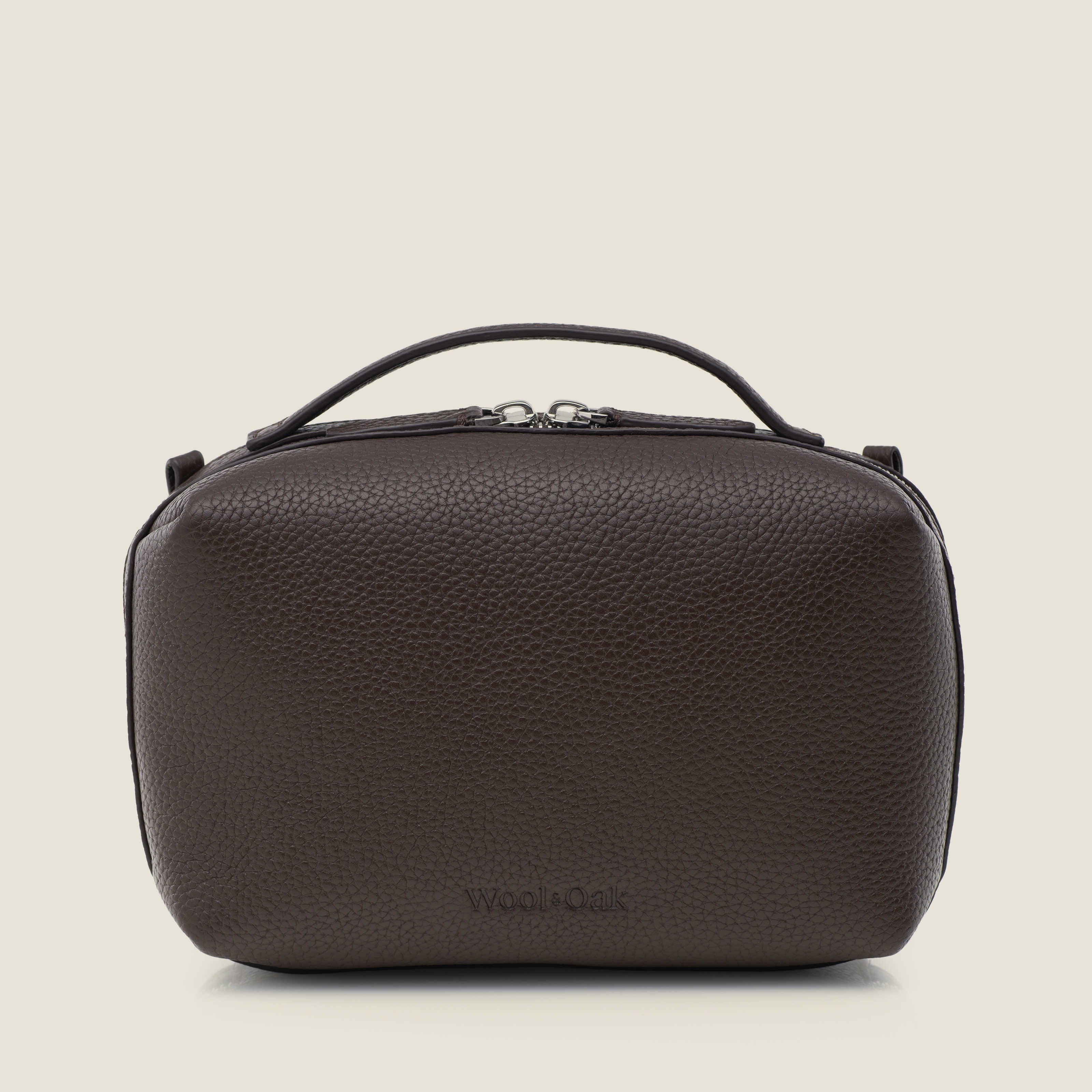
Shop the ProductHobo Large
Full-grain leather hobo bag that softens and develops character with daily use.
Shop the ProductFrequently Asked Questions
Does full-grain leather scratch easily?
Full-grain leather does pick up surface scratches, but most can be buffed out with your thumb or a soft cloth. Over time, these marks blend into the patina and become part of the leather's character. Deep gouges are harder to repair, but full-grain's intact fiber structure makes it far more resistant to tearing than corrected or genuine leather.
How long does leather luggage last?
Full-grain leather luggage can last 20 to 30 years or more with basic care. Top-grain typically lasts 10 to 15 years. Genuine leather may show significant wear within 3 to 5 years of regular use, including peeling, cracking, and surface delamination.
Is leather luggage worth the extra weight?
For bags you use frequently — weekly carry-ons, commute bags, weekenders — yes. Full-grain leather gets better with age and outlasts synthetic alternatives by a wide margin. For rarely used bags, the weight tradeoff is harder to justify. Match the material to how often you will actually carry it.
How do you care for full-grain leather?
Wipe with a damp cloth after trips. Apply leather conditioner every 3 to 6 months. Store out of direct sunlight. If the leather gets wet, let it air dry at room temperature — never use a hair dryer. That is all it takes. Full-grain leather is low-maintenance by nature because its intact surface resists moisture and dirt better than corrected grades.
What leather grade does Wool & Oak use?
Wool & Oak uses full-grain leather on all leather products. The hides are sourced from Italian and South American tanneries. The leather is intentionally thick and will feel stiff when new — expect a break-in period of a few weeks, after which it softens considerably and begins developing patina.
